
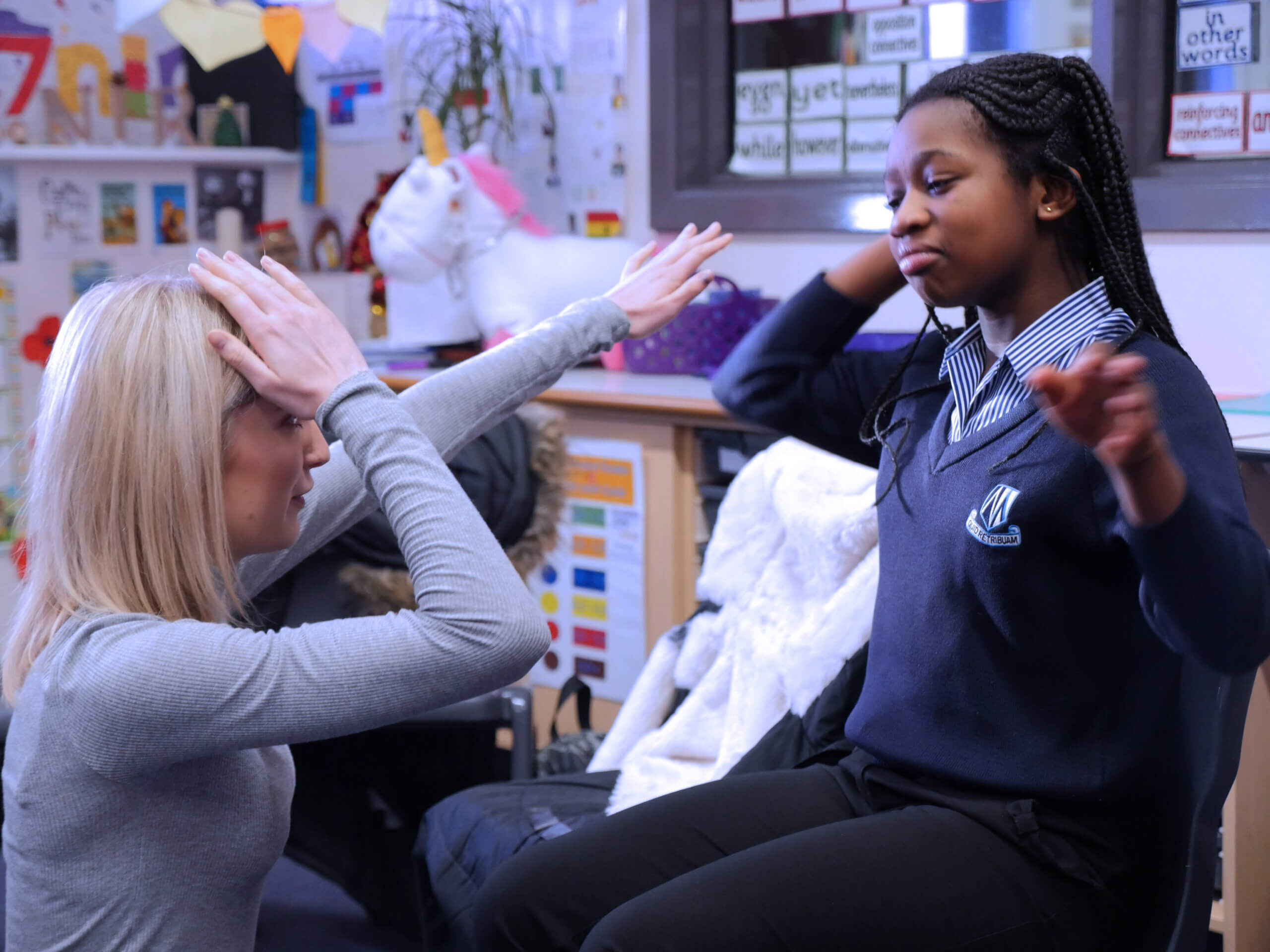
In October 2025, I started teaching debating. The position was advertised during a lecture in my second year of uni, and I got in touch to arrange an interview. After a successful meeting, I was invited in for training and an introduction to the company.
Debate Mate is a global educational charity and social business that runs debate programmes during and after school hours, primarily in disadvantaged schools, to improve social mobility.
Getting started
Debate Mate placed me on the Accelerate Programme. It’s for students who are disengaged from education or on the verge of exclusion. The training was thorough. On paper, I had all the information and support I needed. But I’d be lying if I said I wasn’t slightly terrified. I knew little about the formalities of debating. I had no public speaking experience. So I had no real reason to think I could teach it.
Still, Debate Mate made clear that no prior experience was needed. And my thinking was simple. I like people. I tend to have a lot to say. And I believe healthy communication is the backbone of most kinds of success. The chance to help young people build that really appealed.
First impressions
Terrified or not, I pretended otherwise. I walked in trying to look calm and confident. The students were all very different. Some oozed confidence; others lacked it. Some had plenty to say; others needed encouragement. But ultimately, whether they realised it or not, they welcomed me.
I explained who I was, why I was there and what we’d be doing. After a few questions, I was confident they’d got the gist. We were ready to begin.
Learning by doing
Over the next few weeks, I slowly introduced the ideas and methods behind debating. I did this through games and different styles of learning. One of the most popular games was ‘Where Do You Stand?’. I’d call out a statement. Students would rush to the ‘agree’ or ‘disagree’ side of the room, or (crucially) anywhere in between.
It quickly became my secret benchmark for their progress. Week by week, without realising it, they were mimicking a real debate. They began speaking loudly and passionately about everything from “67 is not funny” to weightier topics like the social media ban for under-16s.
Finding their voice
I framed the course as a healthy form of arguing: a way to share ideas clearly and respectfully. There are many approaches to mentoring, but this was the cornerstone of mine. We practised tone, emotion and body language, plus countless speaking tactics. Everything came back to one thing: the importance of being able to express yourself.
Over the past few months, I’ve watched my students come out of their shells. I’ve got to know them, and I hope to come to understand them. Their articulation and reasoning have noticeably improved. So have their confidence and their enthusiasm for learning.
What I’ve taken away
The experience has given me more than I expected. Getting to know these students has been invaluable. So has the glimpse into the young minds who will soon step into the so-called ‘adult’ world. But beyond what I’ve gained, it’s reinforced something I feel strongly. Young people are navigating a noisier, more overwhelming world than any generation before them. The least we can do is give them the tools to find their voice in it. I can’t recommend volunteering with Debate Mate enough.
If you can talk, you can teach debating, and you should!
Written by Aoife Edwards – Mentor, Cardiff University
