
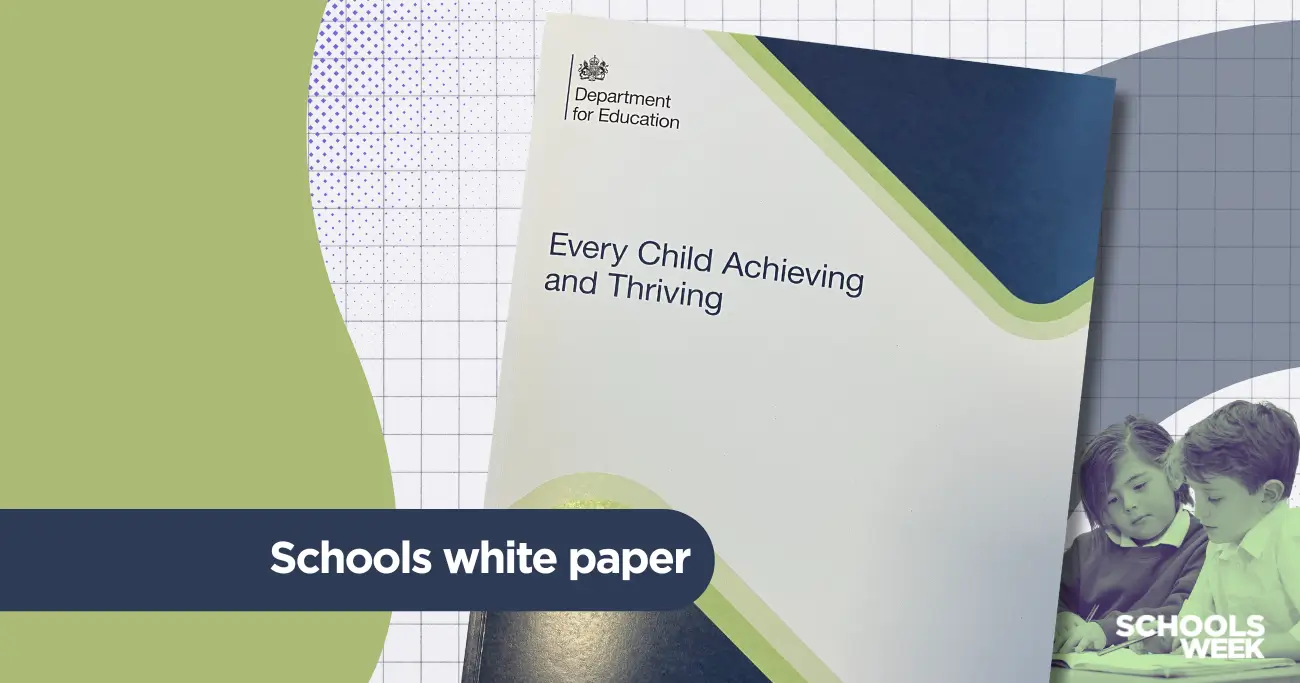
The Government’s new Education White Paper, Every Child Achieving and Thriving, is a meaningful shift in tone and direction – away from a “school gates only” view of education and towards a broader vision of childhood, belonging, and opportunity. This shift of direction is welcomed by us at Debate Mate, because the gap we see most isn’t just academic. It’s confidence, voice, belonging, and access to the kinds of experiences that help young people step into the world feeling like they have a right to be there.
But does the white paper go far enough?
What the White Paper actually says (and what we welcome)
01) It explicitly values communication, debate and discussion, not just exam performance.
The White Paper calls for pupils to be “active participants” in learning: debating, questioning, challenging, and pursuing inquiry. It also positions speaking as a core foundation alongside reading, writing and numeracy – and links speaking skills to confidence, negotiation, debate and connection. That is a huge cultural signal: “voice” is being moved from the margins to the mainstream.
02) It puts enrichment on the policy map as an entitlement, not a luxury.
This is one of the strongest parts of the document. The White Paper commits to an Enrichment Framework and a “core enrichment offer” that every school should aim to provide – including civic engagement, arts/culture, outdoor learning, sport, and “wider life skills.” Crucially, it names debating as an example of those wider life skills. For organisations like ours, this is a big deal: it treats enrichment as part of the job of education, not an optional extra for the children who can afford it.
03) It takes belonging and engagement seriously, and plans to measure it.
The White Paper is clear that high standards and belonging can go together, and it proposes a new Pupil Engagement Framework so schools can measure and improve factors like safety, relationships, inclusion, motivation, and sense of belonging. If implemented well, this could shift national accountability from “what we can count easily” to “what actually drives learning.”
04) It recognises who the system has historically sidelined.
It directly names children with SEND, children in care, and white working-class children as groups too often left behind – and proposes place-based missions (Mission North East and Mission Coastal) to tackle entrenched disadvantage. That’s welcome: we cannot close gaps with generic solutions that ignore local reality.
05) It describes schools as “anchors,” and puts partnership back on the table.
There is a clear intent to “wrap services around” children and families, and to rebuild the relationships between education, health, local authorities and communities. Debate Mate strongly agrees: schools can’t do it alone, and pupils’ outcomes are shaped by the ecosystem around them.
Ultimately, for us at Debate Mate, the most encouraging shift is that the Government is moving closer to what we see every day in schools – the confidence gap is real, but it is teachable.
Having a voice and communicating confidently is not “nice to have,” it’s a pathway to social mobility. Without it, there is no way this Government is lifting people out of poverty.
Does it go far enough? Not yet. Here’s what’s missing (and what we’d urge next).
01) “Oracy” can’t stay as guidance – it needs protected time, training, and assessment that values it.
An oracy framework is promising, but frameworks don’t change classrooms on their own. If speaking is truly a core foundation, schools need: time in the timetable, high-quality CPD that’s accessible (not another burden), and incentives that don’t push it back to the margins. Otherwise, oracy risks becoming the thing that’s “important” but always postponed.
02) Enrichment needs sustainable funding, not short-term pilots.
The White Paper is right to frame enrichment as entitlement. The risk is delivery: schools in the most stretched contexts will want to do this – but may not have capacity, staffing, space, transport budgets, or partner networks. If we mean “every child,” enrichment must be funded like we mean it, especially in the communities where access is currently lowest.
03) The role of the voluntary sector is implied, but not fully designed-in.
Charities, community organisations and social enterprises already provide huge amounts of enrichment, mentoring, and skills-building – often with stronger reach into communities that distrust formal systems. The White Paper calls for partnership, but have the correct partners been fully engaged with during this process? We think more needs to be done.
Debate Mate’s view: the big opportunity
If the government is serious about halving the disadvantage gap and restoring attendance and belonging, then we need to treat human skills development, communication, and enrichment as infrastructure, not just add-ons.
Debating does something hard to replicate elsewhere:
-> It builds confidence and clarity.
-> It teaches young people how to disagree well.
-> It gives pupils practice in being heard – and hearing others.
-> It teaches empathy and resilience.
-> It creates belonging through participation.
-> It opens doors that otherwise would be shut.
That is why Debate Mate exists – and why this White Paper, done well, could unlock a decade of progress.
Our call to action
We’re ready to play our part in delivering this vision – with schools, trusts, local authorities and partners – so that enrichment isn’t luck, and “having a voice” isn’t reserved for the confident few.
If you’re a school, trust, local authority, employer or funder looking to turn this White Paper from ambition into lived experience for young people, we’d love to talk.
You can also access the White Paper and SEND consultation here.
